






What Is Cybersecurity and Why Does It Matter for Small Businesses
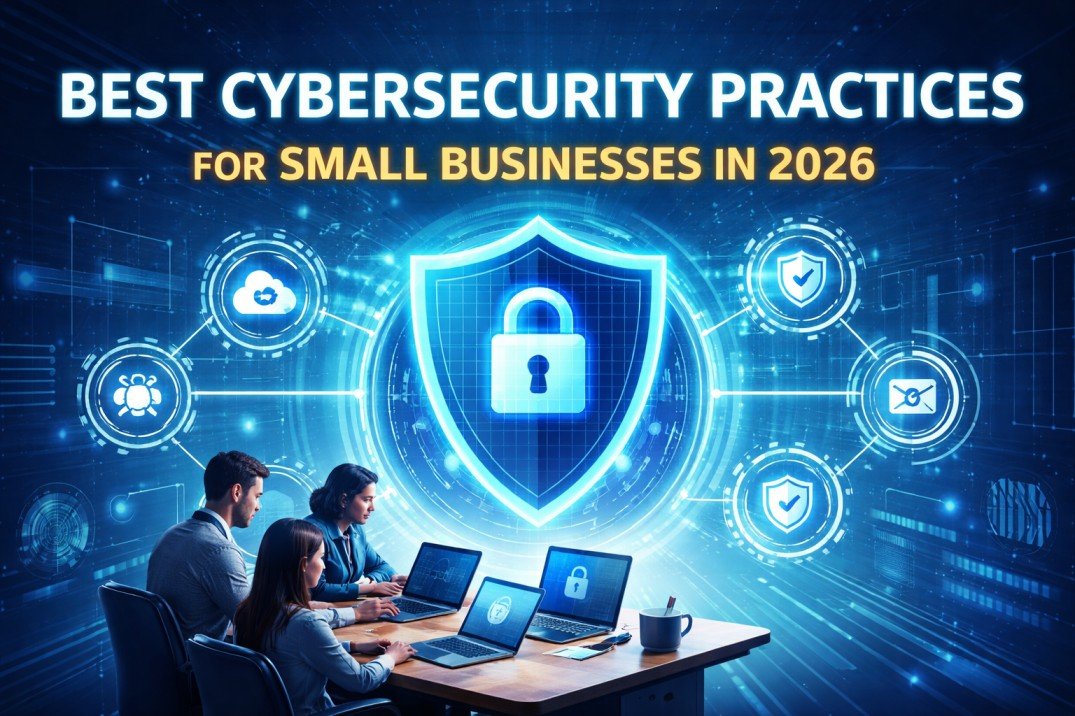
Cybersecurity refers to the protection of systems, networks, and data from digital attacks. For small businesses in 2026, it has become more important than ever because almost every operation now depends on digital tools, cloud storage, and online communication.
Unlike large corporations, small businesses often have limited budgets and weaker security systems. This makes them easy targets for hackers who look for vulnerabilities such as weak passwords, outdated software, or untrained employees.
A single cyberattack can lead to financial loss, damaged reputation, and even a business shutdown. That’s why cybersecurity is no longer optional; it is a survival requirement.
Common Cyber Threats Facing Small Businesses
Small businesses face several types of cyber threats in today’s digital environment:
- Phishing Attacks
Hackers send fake emails or messages to trick employees into revealing sensitive information like passwords or banking details. - Ransomware Attacks
Malicious software locks business data and demands payment to restore access. - Data Breaches
Unauthorized access to confidential customer or business information. - Insider Threats
Employees or contractors are unintentionally or intentionally causing security issues.
These threats are becoming more advanced with the help of AI-based hacking tools, making protection even more critical.
How Hackers Target Small Businesses Specifically
Hackers often prefer small businesses because they assume weaker defenses. Common attack methods include:
- Exploiting outdated software systems
- Targeting employees with fake emails
- Using weak or reused passwords
- Attacking unsecured Wi-Fi networks
Since many small businesses do not have dedicated IT teams, attackers find it easier to break in compared to large organizations with strong cybersecurity infrastructure.
Cost of Cyber Attacks for Small Businesses
A cyberattack can be devastating for a small business. The impact includes:
- Loss of revenue due to downtime
- Cost of data recovery and system repair
- Legal penalties for data breaches
- Loss of customer trust
In some cases, businesses never fully recover after a major attack. This makes prevention far more important than recovery.
Strong Password Policies and Multi-Factor Authentication
One of the simplest yet most effective cybersecurity practices is using strong passwords and multi-factor authentication (MFA).
Best practices include:
- Using long, complex passwords
- Avoiding reuse across multiple accounts
- Changing passwords regularly
- Enabling MFA for all important systems
MFA adds an extra layer of security by requiring a second verification step, such as a code sent to a mobile device.
Securing Cloud Systems and Business Data
Most businesses now store data in cloud platforms. While cloud services are generally secure, improper configuration can create risks.
To improve cloud security:
- Use encrypted storage systems
- Restrict access to sensitive data
- Regularly back up important files
- Monitor login activity for suspicious behavior
Proper cloud management ensures data remains safe even in the case of system failure or attack.
Employee Cybersecurity Training and Awareness
Human error is one of the biggest causes of security breaches. Employees often fall victim to phishing emails or unsafe downloads.
Regular training should include:
- Identifying suspicious emails
- Safe browsing habits
- Secure file sharing practices
- Reporting security incidents immediately
An aware team acts as the first line of defense against cyber threats.
Using Firewalls, Antivirus, and Endpoint Protection
Basic security tools are still essential in 2026:
- Firewalls block unauthorized access
- Antivirus software detects and removes malware
- Endpoint protection secures devices like laptops and mobile phones
These tools form a strong foundation for business security when properly configured and updated.
Role of AI in Cybersecurity Defense Systems
Artificial intelligence is now playing a major role in cybersecurity. AI systems can:
- Detect unusual behavior patterns
- Identify threats in real time
- Block attacks automatically
- Predict potential vulnerabilities
This proactive approach helps businesses stop attacks before they cause damage.
Importance of Regular Security Audits and Updates
Cybersecurity is not a one-time setup; it requires continuous monitoring.
Businesses should:
- Update software regularly
- Patch security vulnerabilities
- Conduct routine system audits
- Test security defenses frequently
Outdated systems are one of the easiest ways hackers gain access.
Incident Response Planning for Small Businesses
Even with strong protection, no system is 100% safe. That’s why having an incident response plan is important.
A good plan includes:
- Steps to isolate affected systems
- Communication strategy during an attack
- Data recovery procedures
- Legal and reporting requirements
A quick response can significantly reduce damage during a cyber incident.
Future of Cybersecurity for Small Businesses
Cybersecurity is evolving rapidly with new technologies. Future trends include:
- AI-driven threat detection systems
- Zero-trust security models (never trust, always verify)
- Automated response systems
- Biometric authentication (fingerprint, face recognition)
As cyber threats become more advanced, defense systems will also become smarter and more automated.
Final Thoughts
Small businesses in 2026 operate in a highly digital environment, making cybersecurity essential for survival. By following strong security practices, training employees, and adopting modern tools, businesses can significantly reduce their risk of cyberattacks.
Security is not just about technology; it’s about awareness, preparation, and continuous improvement.