





If you’ve ever purchased something at a store, restaurant, or even online, you’ve interacted with a POS system—whether you realized it or not! But what exactly does POS full form stand for? Why is it important to businesses? And how does it help customers
In this article, we’ll dive deep into POS systems, their uses, benefits, and even touch on how concepts like the Bajaj EMI card interest rate relate to the retail and payment ecosystem.
What is the POS Full Form?
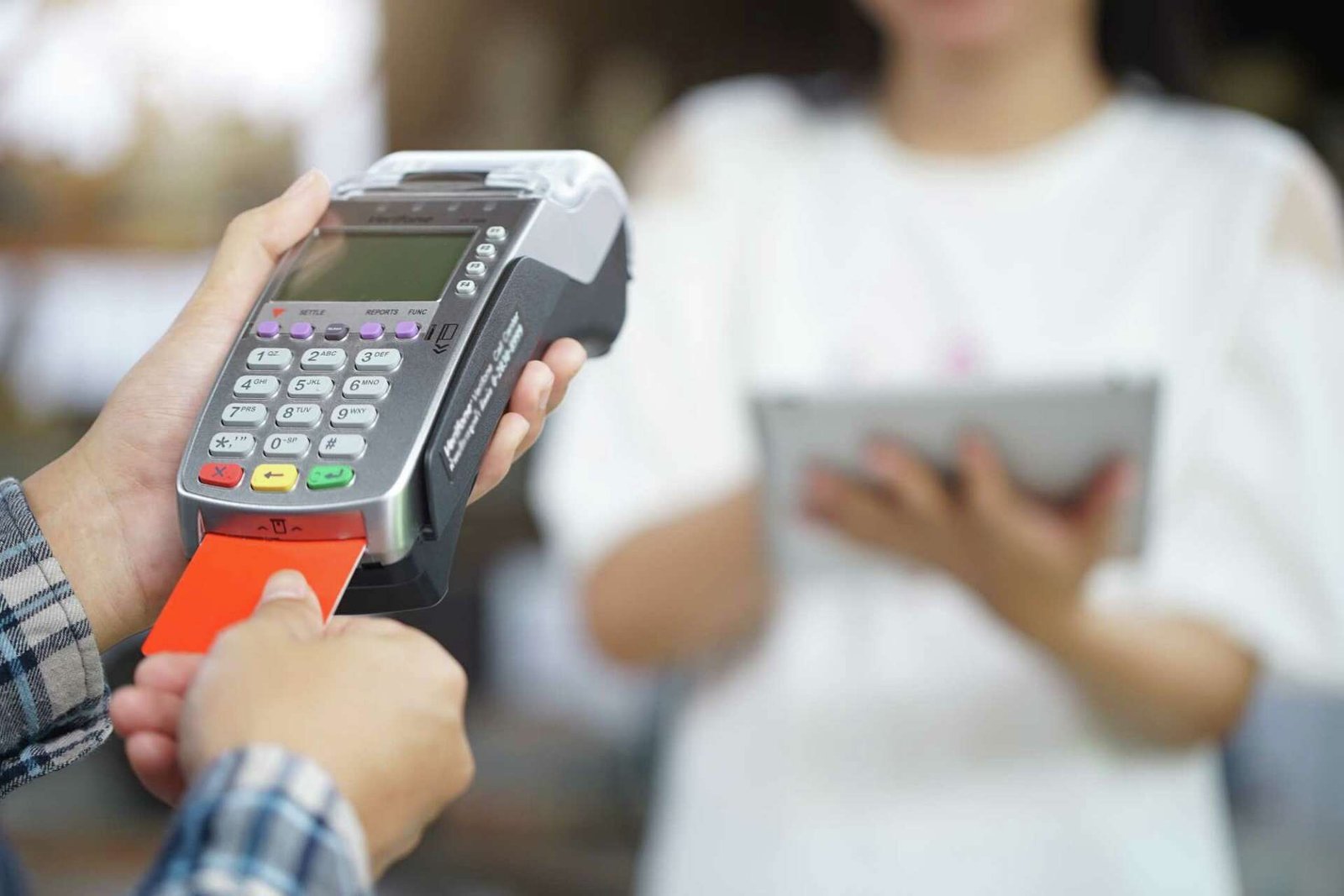
The POS full form is Point of Sale, which essentially refers to the place or system where transactions between a seller and a buyer occur. A POS system combines hardware (like a card reader, barcode scanner, or computer) with software (payment tools, inventory management, etc.) to ensure smooth operations for businesses and customers alike.
From scanning a product’s barcode to processing payments via cards or digital wallets, POS systems simplify the shopping experience and streamline business processes.
Types of POS Systems
POS systems can vary based on the type of business. Here’s a quick overview:
– Retail POS Systems: Designed for physical stores, these systems help inventory management, receipt generation, and accepting payments.
– Mobile POS (mPOS): Portable systems on devices like tablets or smartphones that enable payments in-store or even at outdoor locations.
– eCommerce POS: Found on websites, these systems allow customers to complete online transactions securely.
– Restaurant POS: These systems focus on tableside ordering, kitchen notifications, and quick bill settlements.
How Does a POS System Work?
A Point of Sale system works in a few steps:
- Order Placement: A customer selects items they wish to buy, or in restaurants, the order is sent to the kitchen.
- Payment Processing: The system processes payments via cash, card, or digital methods, making transactions quick and secure.
- Inventory Management: When a sale is confirmed, the product is automatically deducted from inventory and keeps stock levels updated for the business.
- Receipts Generation: After payment, receipts are printed or emailed directly to the customer.
Why Are POS Systems Crucial to Businesses?
Companies across industries rely on POS systems for multiple benefits. Let’s highlight why this technology is a must:
- Seamless Payment Processing
In today’s fast-paced world, customers expect quick and secure transactions. POS systems ensure hassle-free payments—whether it’s cash, card, or a financing option like a Bajaj Finserv EMI Card.
- Inventory Management
Tracking inventory manually is tedious and error-prone. POS systems keep businesses updated on stock levels in real time, helping them avoid stockouts or excess inventory.
- Improved Customer Experience
POS systems deliver faster checkout, personalized receipts, and even loyalty rewards integration. All of this enhances customer satisfaction and boosts loyalty.
- Data Analysis for Growth
With purchase trends and performance reports readily available, POS systems assist business owners in making informed decisions to improve sales and profitability.
- Reduced Human Errors
Automation in payment processing and inventory tracking minimizes the chance of mistakes, saving businesses time and money.
Bajaj EMI Card Interest Rate: Enhancing the Payment Experience
While discussing POS systems, it’s essential to touch upon various payment options, including financing choices like Bajaj EMI Cards. Many POS systems are equipped to process EMI-based payments, helping customers buy high-value products in easy installments.
Key Features of Bajaj Finserv EMI Cards:
– Interest-Free EMIs: Many purchases, especially at partner merchants, come with zero interest EMIs.
– No Down Payments: You can buy products without upfront payment at many locations.
– Wide Acceptance: Bajaj EMI cards are accepted at both physical and online stores equipped with modern POS systems.
If you’re wondering about the Bajaj EMI card interest rate, it generally depends on the product, merchant, and repayment tenure chosen, though many deals offer zero-interest options. As a customer, ensure to check the terms before proceeding.
Business Benefits of a POS System
Implementing a good POS system isn’t just about managing payments—it’s about empowering businesses with tools that drive growth. Here’s what companies gain:
- Efficiency Across Operations
From managing inventory to handling customer queries, POS systems make operations more streamlined, reducing workload for employees.
- Increased Sales Opportunities
With features to upsell, suggest products, or offer financing options like Bajaj EMI card payment plans, POS systems can significantly boost sales.
- Enhanced Security
Modern POS systems offer built-in security features, including encryption for payment data. Customers are assured of privacy during financial transactions.
- Better Time Management
Automating processes like generating receipts or sending order details saves valuable time for both customers and employees.
FAQs: POS Systems and Bajaj EMI Cards
Q1: What does POS full form mean?
POS stands for Point of Sale, referring to a system where sellers accept payments from customers, either physically, online, or via mobile platforms.
Q2: How does POS help retailers?
POS systems improve efficiency, streamline inventory management, reduce errors, and boost customer shopping experiences, all of which help grow revenue.
Q3: Is the Bajaj EMI Card interest rate fixed?
The interest rate on Bajaj EMI cards depends on factors like the type of product, merchant offers, and repayment tenure. Many deals offer zero-interest EMI options.
Q4: Can I use Bajaj EMI Cards in POS systems?
Absolutely! Bajaj EMI cards work with modern POS systems at partner stores, enabling hassle-free installment-based payments.
Final Thoughts
POS systems provide businesses with the essential tools they need to keep operations running smoothly while enhancing customer experiences. From managing real-time inventory and processing secure payments to integrating powerful financing options like Bajaj Finserv EMI cards, these systems empower both sellers and buyers alike.By incorporating the Bajaj Finserv for Business ecosystem into your POS terminal—whether through an EDC swipe machine or a QR code—you can offer customers the ability to split their purchases into manageable installments. With a wide range of flexible interest rates and repayment tenures of up to 60 months, this integration makes high-value products more affordable for your clients.